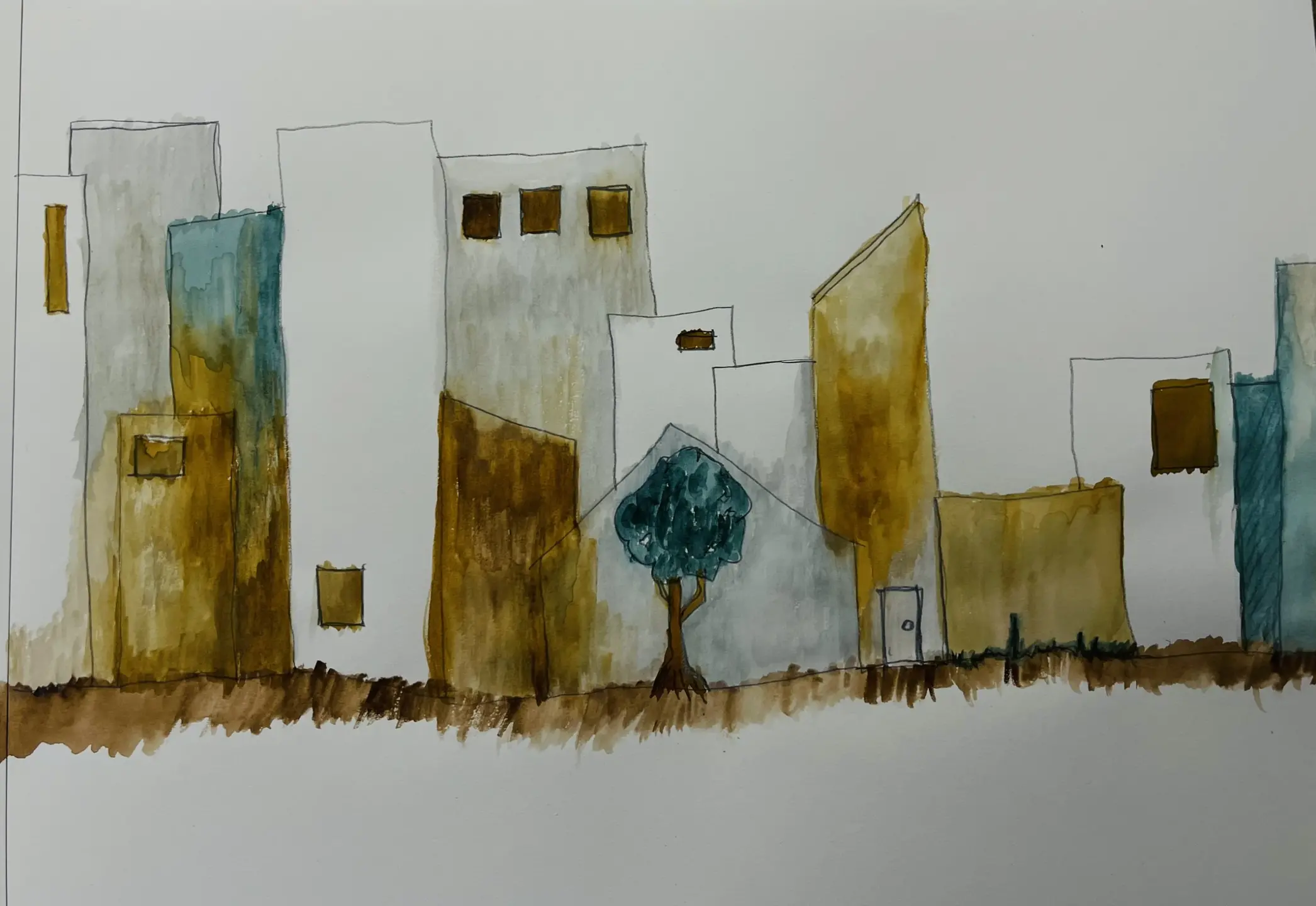
Hi I'm Jacques. A student in Architecture, redefining "Self"
For space to be is to be more than one thing.

About "Me"
I am redefining "self" I hold a 4 year architectural qualification which has served me well, as time goes and experience build we change and seek more, in times of personal change i am defining my role and have been educating myself anew. Redoing my architectural qualification for local registration, something Australia has made possible, what an privilege. As a secondary career in disability I have become very aware of the shortfall in design in the field. It is definitely going to be part of my future to assist in design for disability, challenging behaviour and dementia.
Nevertheless bringing people and design together is my superpower, through understanding clients and what should not be perused at times are done in understandable language always working towards best outcomes.
Join me, follow me talk to me you will be amazed. Greetings... SONA #220369 (VIC)
Nevertheless bringing people and design together is my superpower, through understanding clients and what should not be perused at times are done in understandable language always working towards best outcomes.
Join me, follow me talk to me you will be amazed. Greetings... SONA #220369 (VIC)
MMXXIV
moving towards the end
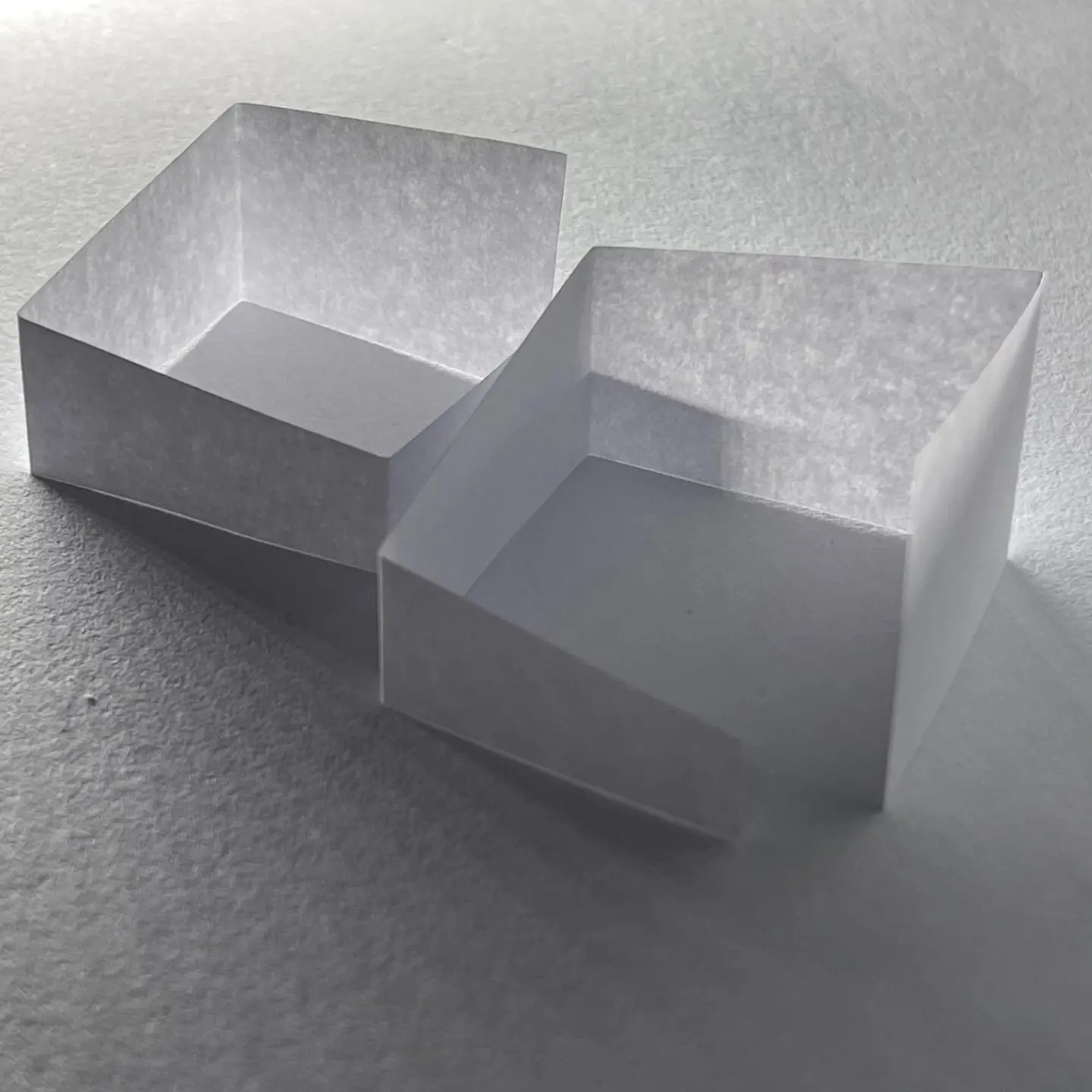
Space, Light, Experiences
The interplay of **light** and **space** significantly shapes our architectural experiences. Let's delve into it:
Understanding the Role of Light in Architecture:
Functional Role: Light serves a practical purpose by illuminating spaces, aiding visibility, and enhancing safety. Properly positioned windows and skylights allow natural light to penetrate interiors, reducing the need for artificial lighting during the day.
Aesthetic Role: Thoughtfully placed lighting fixtures accentuate architectural elements, creating focal points and visual interest. The interplay of light and shadow enriches the sensory experience of built environments, evoking specific moods and emotions.
Beyond Illumination: Architects reimagine light as a dynamic element, not just for illumination but also for shaping spaces and evoking emotions. It's a crucial component in innovative designs that enhance enjoyment and create captivating environments.
Immersive Spaces: These sensorial environments envelop us through architecture, light, imagery, sound, and sometimes even smell. To "immerse" is to be wholly shaped by immediate sensory input, creating profound experiences.
Between Light and Shadow:- Leveraging lighting to highlight or frame angles enhances architectural compositions. The world takes shape thanks to light incidence on objects, and architects use it strategically to create atmospheres in their designs.
In summary, light and space collaborate to craft not just functional buildings, but emotionally resonant and visually captivating architectural experiences.
Understanding the Role of Light in Architecture:
Functional Role: Light serves a practical purpose by illuminating spaces, aiding visibility, and enhancing safety. Properly positioned windows and skylights allow natural light to penetrate interiors, reducing the need for artificial lighting during the day.
Aesthetic Role: Thoughtfully placed lighting fixtures accentuate architectural elements, creating focal points and visual interest. The interplay of light and shadow enriches the sensory experience of built environments, evoking specific moods and emotions.
Beyond Illumination: Architects reimagine light as a dynamic element, not just for illumination but also for shaping spaces and evoking emotions. It's a crucial component in innovative designs that enhance enjoyment and create captivating environments.
Immersive Spaces: These sensorial environments envelop us through architecture, light, imagery, sound, and sometimes even smell. To "immerse" is to be wholly shaped by immediate sensory input, creating profound experiences.
Between Light and Shadow:- Leveraging lighting to highlight or frame angles enhances architectural compositions. The world takes shape thanks to light incidence on objects, and architects use it strategically to create atmospheres in their designs.
In summary, light and space collaborate to craft not just functional buildings, but emotionally resonant and visually captivating architectural experiences.
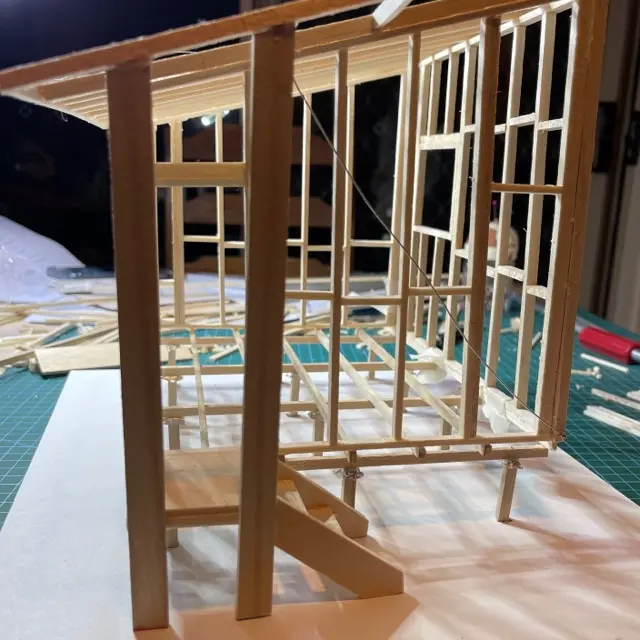
Model Building
Architectural models play a crucial role in the design and communication process. Visualization and Communication - Models allow architects to visualize their designs in three dimensions. They provide a tangible representation of the project, bridging the gap between abstract drawings and the final built form.
- When presenting to clients or investors, models offer a clear and relatable way to convey design concepts. They help stakeholders understand spatial relationships, scale, and overall aesthetics. Creative Exploration:
- Models serve as a creative tool during the design phase. Architects can experiment with different forms, materials, and spatial arrangements. The tactile experience of crafting a model encourages innovative thinking. By physically manipulating materials, architects can explore design variations and refine their ideas before committing to construction.
Problem-Solving and Iteration: Building a model reveals potential issues that might not be evident in drawings. Architects can identify structural challenges, circulation flow, and lighting conditions - Iterative model-making allows for refinements. Architects can test solutions, make adjustments, and improve the design based on feedback from the model.
Client Engagement, Clients often find it easier to connect with a physical model than abstract plans. They can interact with it, view it from different angles, and gain a deeper understanding of the proposed space. A well-crafted model can inspire confidence and encourage clients to move forward with a project.
Legal and Approval Processes, Models are essential for obtaining approvals from regulatory bodies. They demonstrate compliance with zoning regulations, building codes, and environmental guidelines.
For complex projects, models aid in public consultations and community engagement, fostering transparency and trust.
- When presenting to clients or investors, models offer a clear and relatable way to convey design concepts. They help stakeholders understand spatial relationships, scale, and overall aesthetics. Creative Exploration:
- Models serve as a creative tool during the design phase. Architects can experiment with different forms, materials, and spatial arrangements. The tactile experience of crafting a model encourages innovative thinking. By physically manipulating materials, architects can explore design variations and refine their ideas before committing to construction.
Problem-Solving and Iteration: Building a model reveals potential issues that might not be evident in drawings. Architects can identify structural challenges, circulation flow, and lighting conditions - Iterative model-making allows for refinements. Architects can test solutions, make adjustments, and improve the design based on feedback from the model.
Client Engagement, Clients often find it easier to connect with a physical model than abstract plans. They can interact with it, view it from different angles, and gain a deeper understanding of the proposed space. A well-crafted model can inspire confidence and encourage clients to move forward with a project.
Legal and Approval Processes, Models are essential for obtaining approvals from regulatory bodies. They demonstrate compliance with zoning regulations, building codes, and environmental guidelines.
For complex projects, models aid in public consultations and community engagement, fostering transparency and trust.
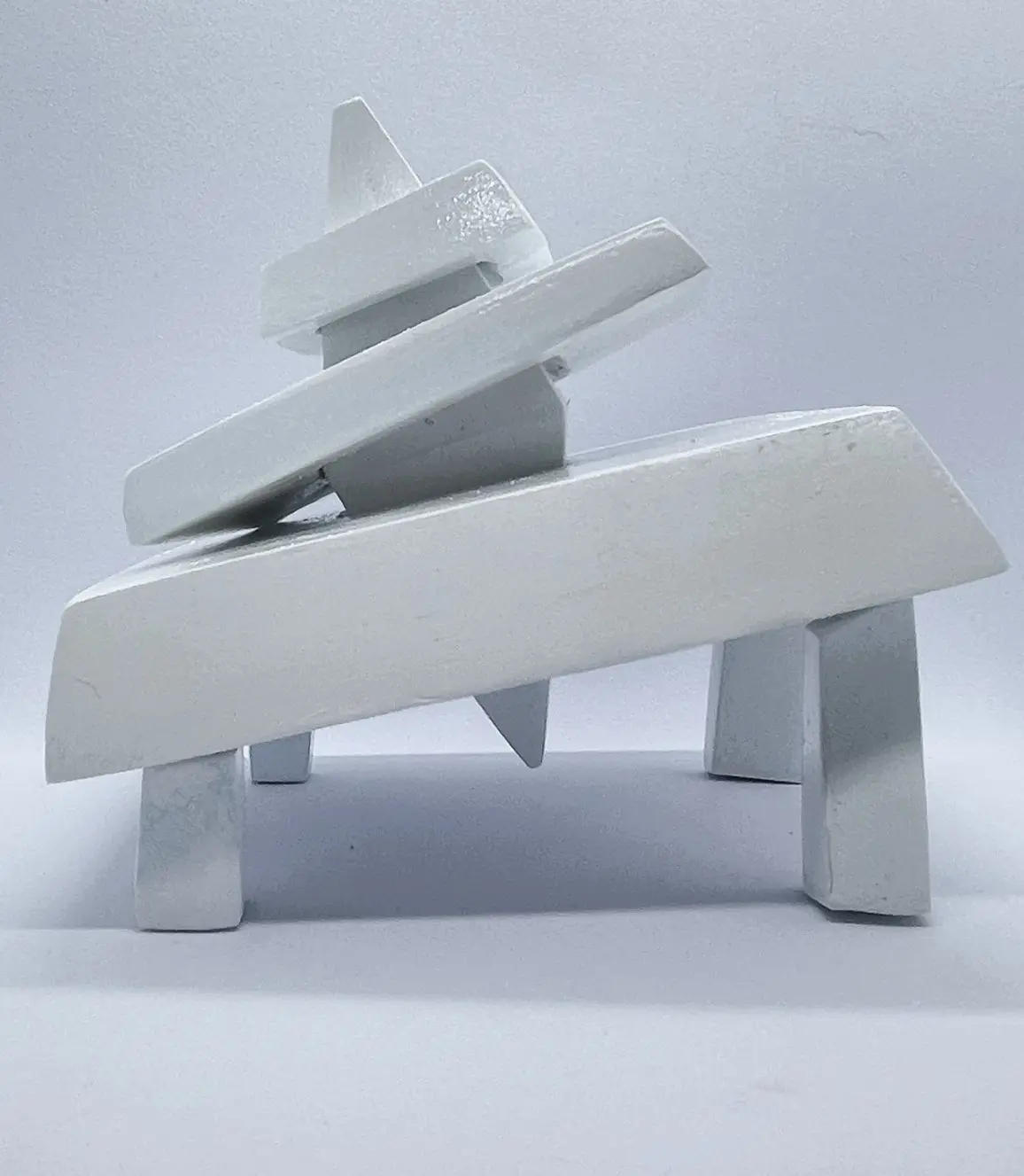
Design Studio
Design studio's play a pivotal role in the creative process, fostering collaboration, innovation, and learning. Collaborative Environment. Design studios provide a space where designers can collaborate. They encourage the exchange of ideas, allowing professionals to work together on projects, share insights, and receive feedback. Exposure to New Ideas. Working in a design studio exposes designers to fresh concepts, techniques, and approaches. This exposure broadens their skills and knowledge base, enhancing their overall perspective on design. Access to Resources. Design studios offer resources such as design software, equipment, and materials. This access enables experimentation with new techniques and ensures the production of high-quality work. Challenges, Despite the benefits, design studios also come with challenges: Intense Competition, These environments are highly competitive, requiring continuous skill improvement. Tight Deadlines, Design studios often work under pressure to deliver high-quality work promptly. Constant Adaptation. Designers must adjust to changing client needs, project requirements, and industry trends. Difference from Traditional Agencies: Design studios emphasize, collaboration and innovation, while traditional agencies may focus more on individual contributions and meeting client needs.
In summary, design studios foster creativity, skill development, and dynamic problem-solving—an essential hub for design professionals.
In summary, design studios foster creativity, skill development, and dynamic problem-solving—an essential hub for design professionals.
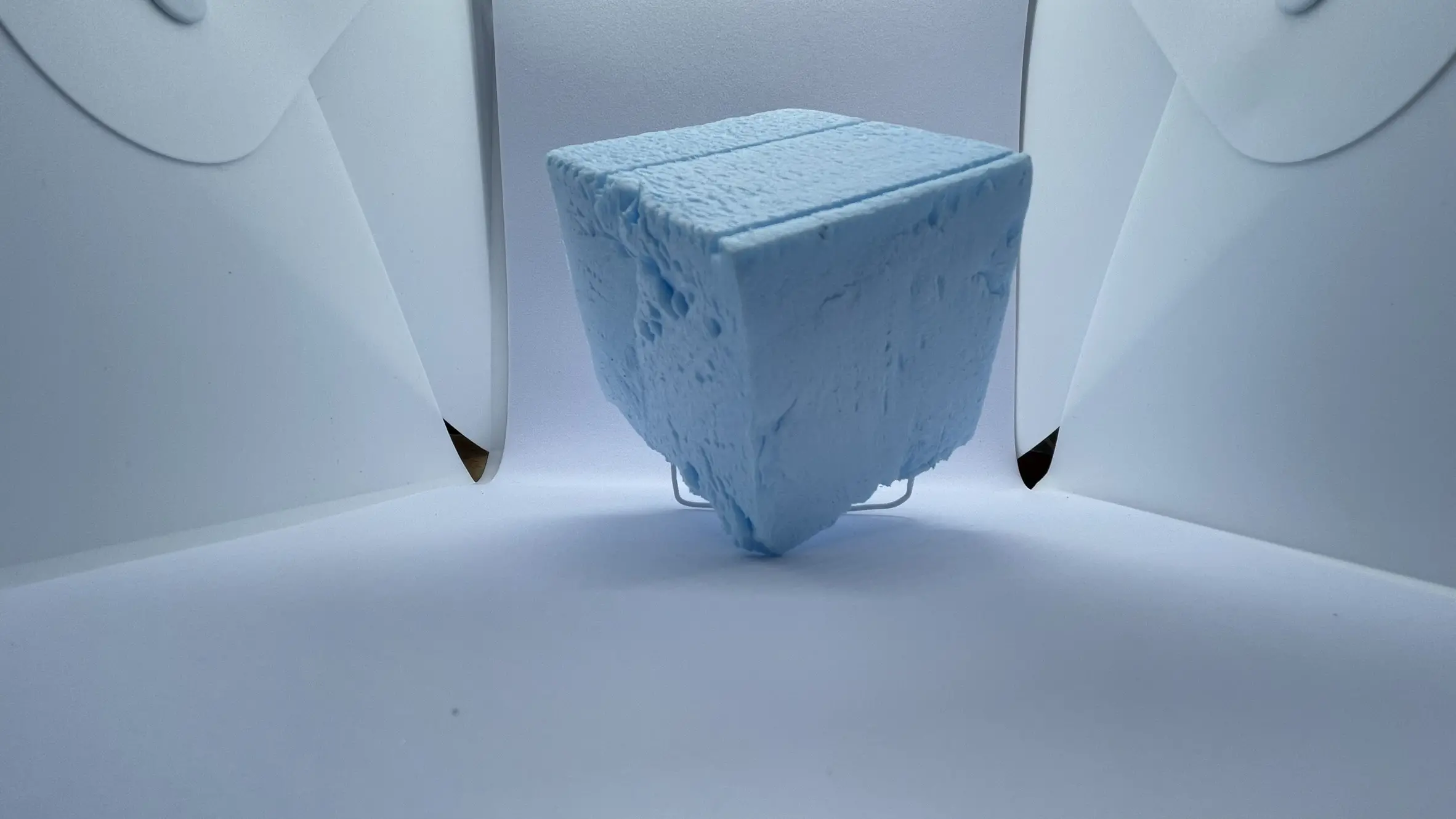
Photography
Architectural photography holds immense significance in our understanding and appreciation of the built environment. Visual Representation. Architectural photography serves as a visual record of buildings and structures. It allows viewers to appreciate design, form, and function. Media Representation, It is the primary way architecture is portrayed in the media. Through photographs, we understand spatial relationships, surface textures, light, and shadow. These images help viewers grasp the designer's vision and connect with the architectural space. Documenting History, Architectural photography plays a crucial role in documenting architectural history. It captures iconic buildings, groundbreaking designs, and the evolution of urban landscapes. By preserving these moments, it contributes to our collective memory and cultural heritage.
In summary, architectural photography bridges the gap between design and perception, allowing us to see and appreciate the beauty and functionality of our built surroundings.
In summary, architectural photography bridges the gap between design and perception, allowing us to see and appreciate the beauty and functionality of our built surroundings.
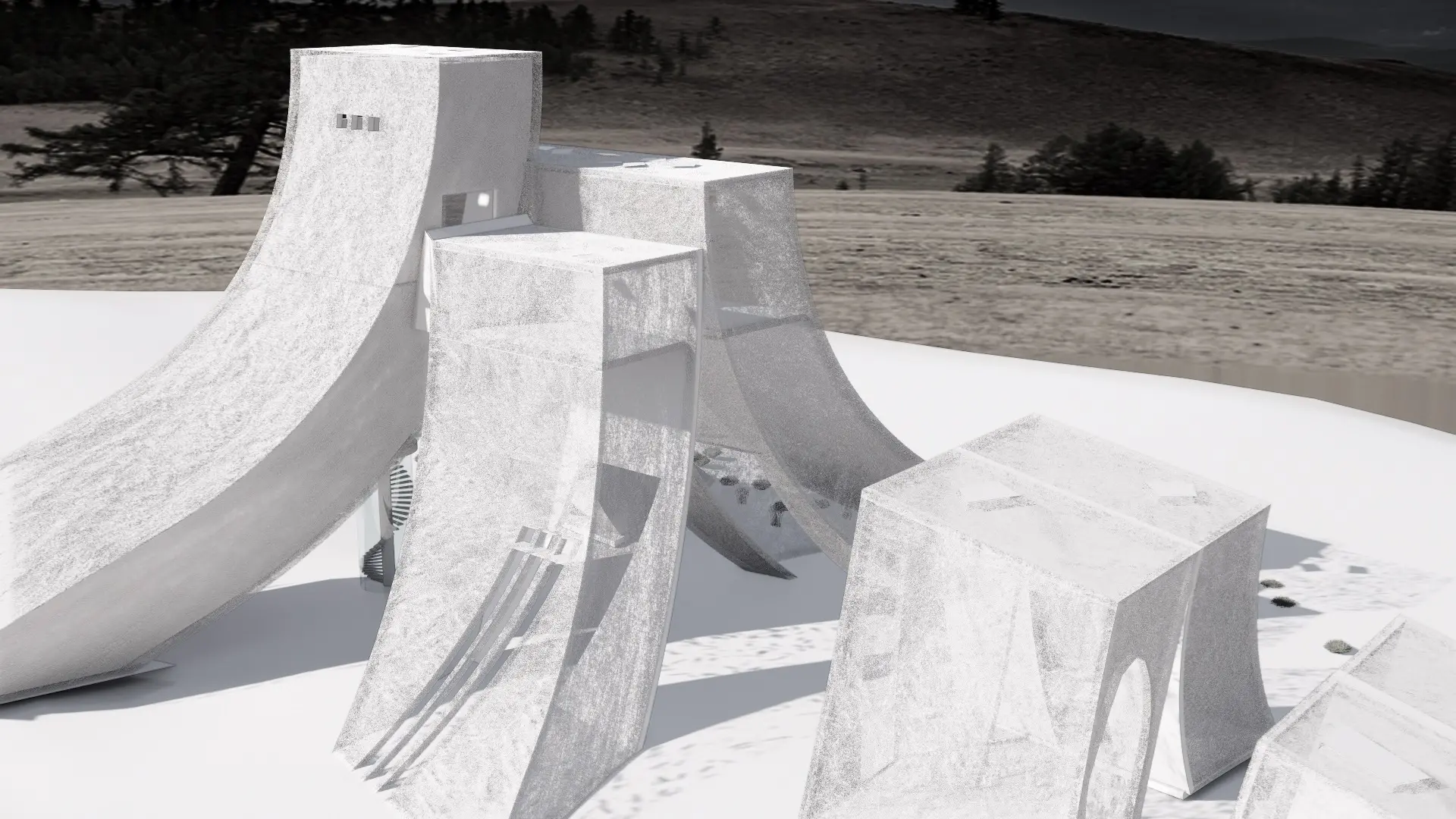
Architecture Digital Documentation
Digital documentation in architecture has become increasingly important due to technological advancements and the need for efficient, accurate, and accessible records. Preserving Cultural Heritage: Digital methods and techniques allow for the documentation of historical and cultural architectural heritage. By using tools like 3D laser scanning and BIM (Building Information Modeling), we can capture detailed information about structures, materials, and spatial relationships. This documentation verifies authenticity and helps us understand architectural values, ensuring that valuable heritage is preserved for future generations. Advantages of Digital Survey Technology: Digital documentation provides several advantages:
Accuracy: High-resolution scans and point cloud models capture intricate details.
Efficiency: Rapid data collection reduces fieldwork time.
Visualization: Digital models allow for interactive exploration and analysis.
Collaboration: Stakeholders can access and interpret data remotely.
Streamlining Architectural Processes: Embracing digital tools optimizes responsiveness to changes, improves communication clarity, and saves time and resources.
Architects can use digital documentation for design iterations, construction coordination, and regulatory compliance. In summary, digital documentation enhances our ability to understand, preserve, and create architectural spaces, bridging the past and the future.
Accuracy: High-resolution scans and point cloud models capture intricate details.
Efficiency: Rapid data collection reduces fieldwork time.
Visualization: Digital models allow for interactive exploration and analysis.
Collaboration: Stakeholders can access and interpret data remotely.
Streamlining Architectural Processes: Embracing digital tools optimizes responsiveness to changes, improves communication clarity, and saves time and resources.
Architects can use digital documentation for design iterations, construction coordination, and regulatory compliance. In summary, digital documentation enhances our ability to understand, preserve, and create architectural spaces, bridging the past and the future.
Recent work
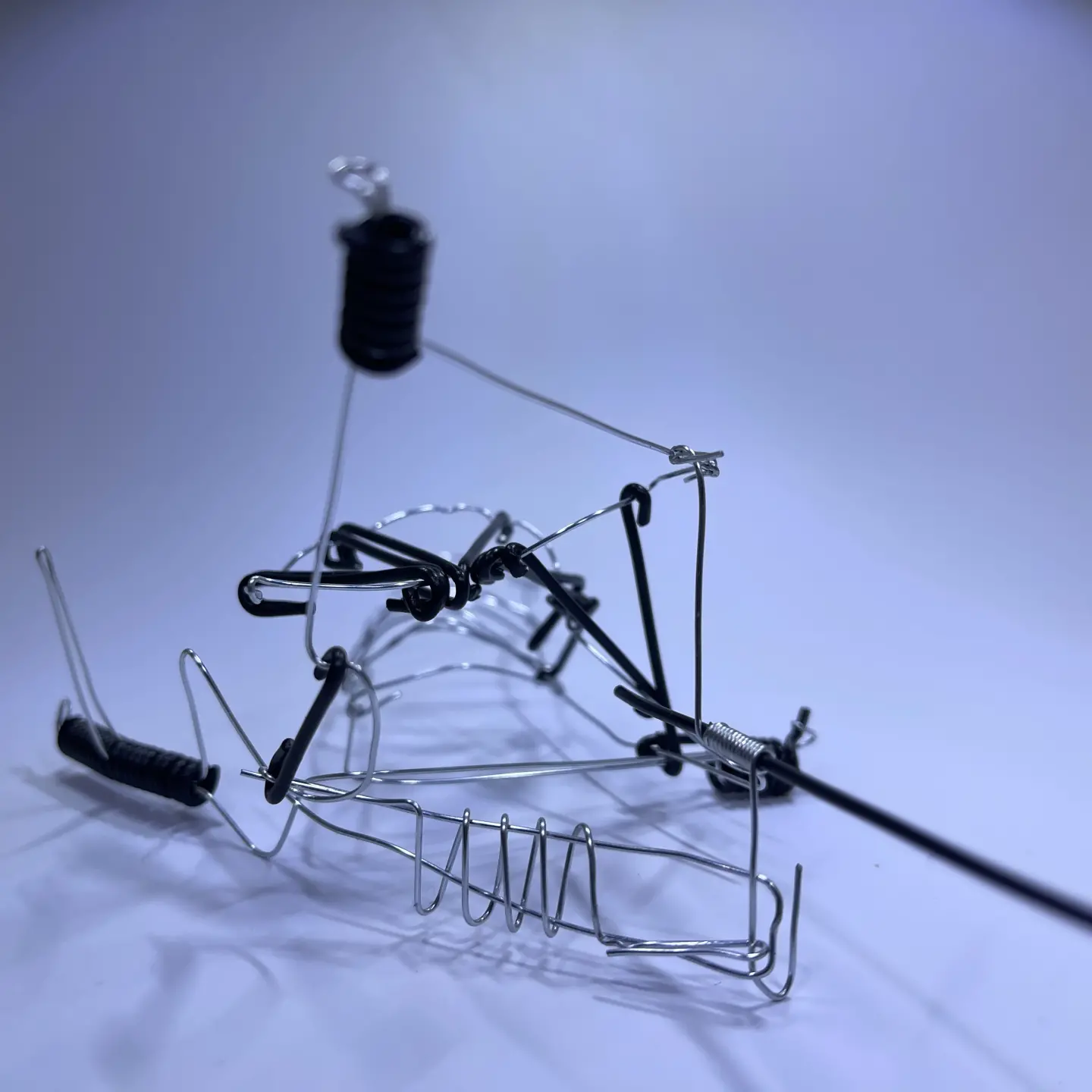
Design Process Development
Wire - bend curle fold add suntract

Paper could be the Future
Paper - bend slice fold nip crease
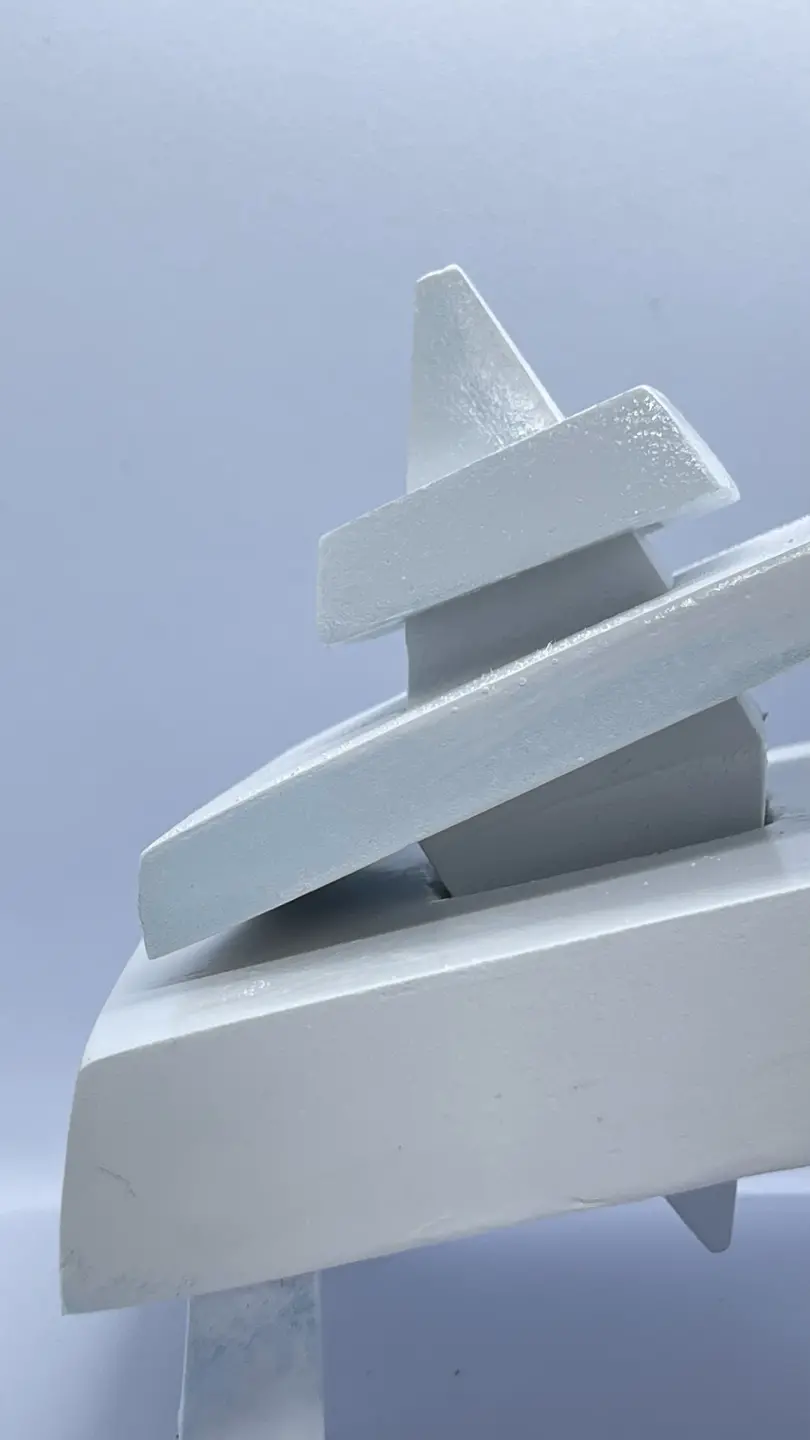
Development Design Intent
Foam - transforming
Redesigned Form
3D large scale print
Biography

Spotlight are for others
Something is being written to be published soon
I'd love to discuss your next idea
Let's talk! I have a knack for turning dreams into reality and creating innovative, user-friendly designs that will truly set your product apart from the competition.
What my clients are saying about my work
Frequently Asked Questions
It's only in conversation that things become clear,
Ask Away
Ask Away
Contact Us
Address
Melbourne Victoria
Phone
+61416107970Operating Hours
Classes as Rostered